

Why September Belongs to Ornamental Grasses
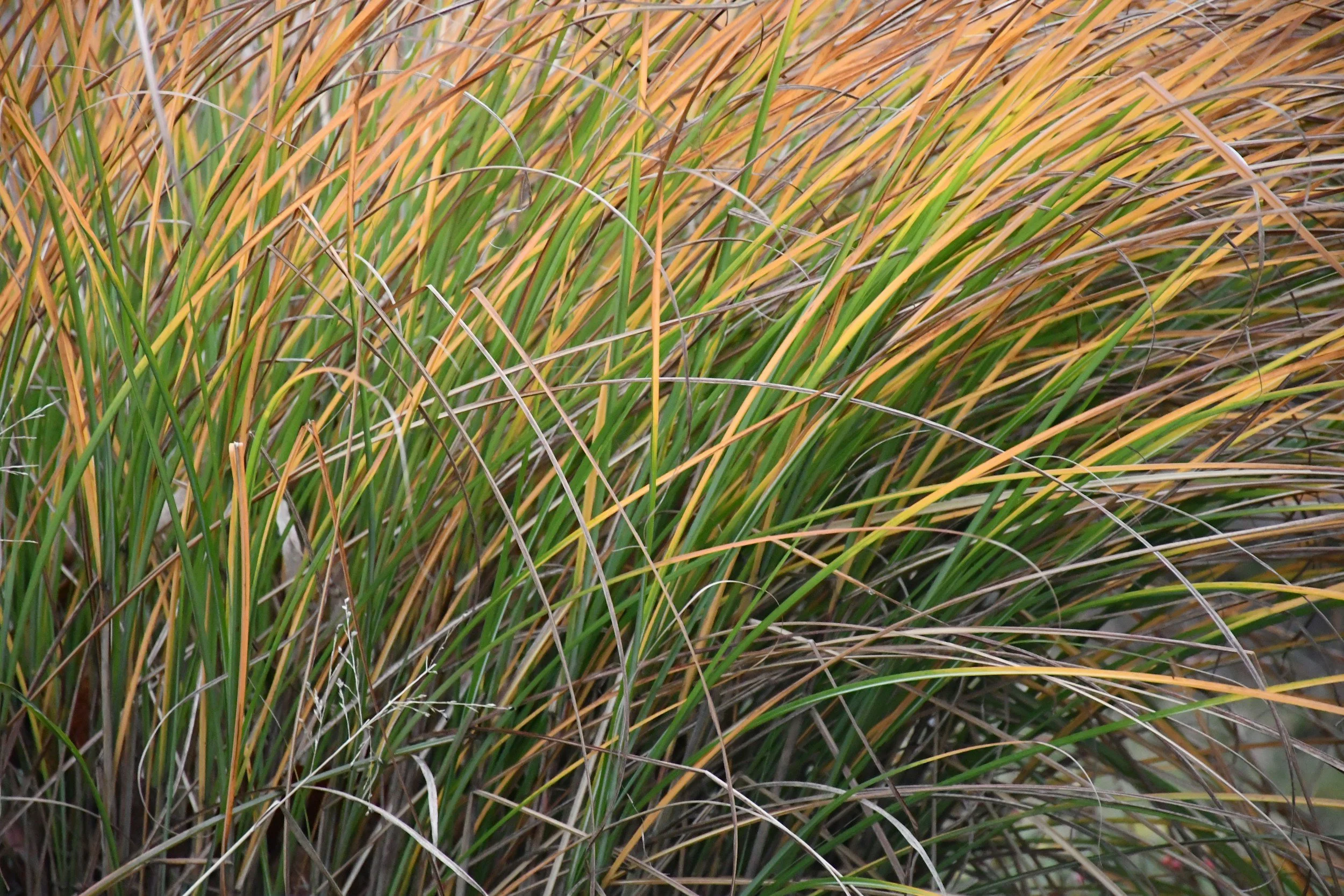
Tall or short, native or not, these easy plants earn their spot in every garden
September has always been a special month, the bridge between summer and fall. It is a great planting time, with warm earth, cooler nights, and plenty of time left for healthy root development. If you're looking to add something that is quintessentially September, please stop by and check out our selection of Ornamental Grasses.
Indulge me while I sing their praises:
Let's start with a big plus, in particular for our area: THEY ARE ALL DEER RESISTANT!
But let me quickly add, Ornamental Grasses have become a staple for modern gardeners because of oh so much more…
Grasses can soften & blend your beds. Each species has a unique efflorescence (flower), and many, grouped as warm-season grasses, blossom in the fall.
Grasses like native Big Bluestem are tall & glorious enough to be used as a beautiful specimen plant to create a focal point in your beds. Non-natives, Maiden Grass & Fountain Grass, can be used this way too.
Used in groupings, grasses can act as an effective screen or provide erosion control on a hill or bank. Look for specimens that can quickly spread, like Northern Sea Oats, or those with a soft efflorescence that benefit from larger-scale groupings, like Muhly Grass and Switch Grass.
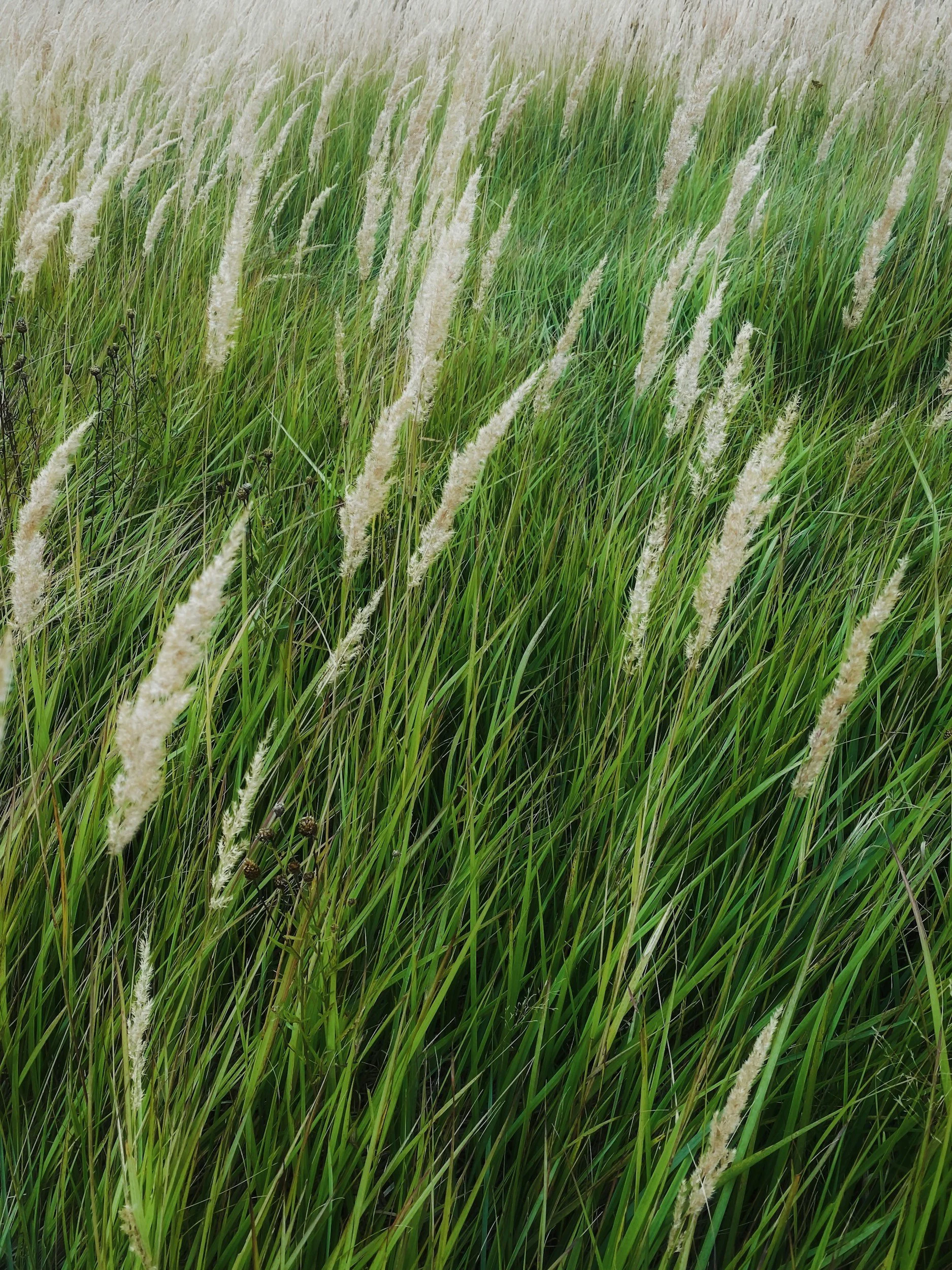
One easy crew cut a year is all these beauties ask of you
Designers often select a grass to use as a matrix plant in their beds. As many flowering perennials begin to fade and die back, grasses blend wonderfully with the taller late-season perennials to give you a garden 2.0 and keep you in awe of nature while she puts on her autumn color display.
They provide garden movement, a soothing rustling sound, and sturdy architecture, and they look beautiful in the winter landscape with their seasonal buff coloring. Feather Reed Grasses have amazing straight, wheat-like plumes over much lower basal grassy clumps.
Remember, though, not all grasses are tall. There are grasses with mature sizes for walkways and front beds. You can find things that are shorter, like Bunny Fountain Grass, topping out at 15–18". Native Dropseed grass also works here. Native Purple Fountain Grass stays short and delights with a summer purple haze of tiny buds at ground level.
These are easy plants. Most are drought tolerant once established & easy care. A late-winter to early-spring 6–8" crew cut is all you need to see them do their cycle all over again.
There are loads of native grasses to choose from, too. They come in all shades of lovely green, and many give a colorful autumn display, like Little Bluestem and Switch Grass. Look for our Native tables to find the perfect match for your garden.
- Nancy Corr