

Bringing Your Houseplants Indoors: A Simple Guide for Fall
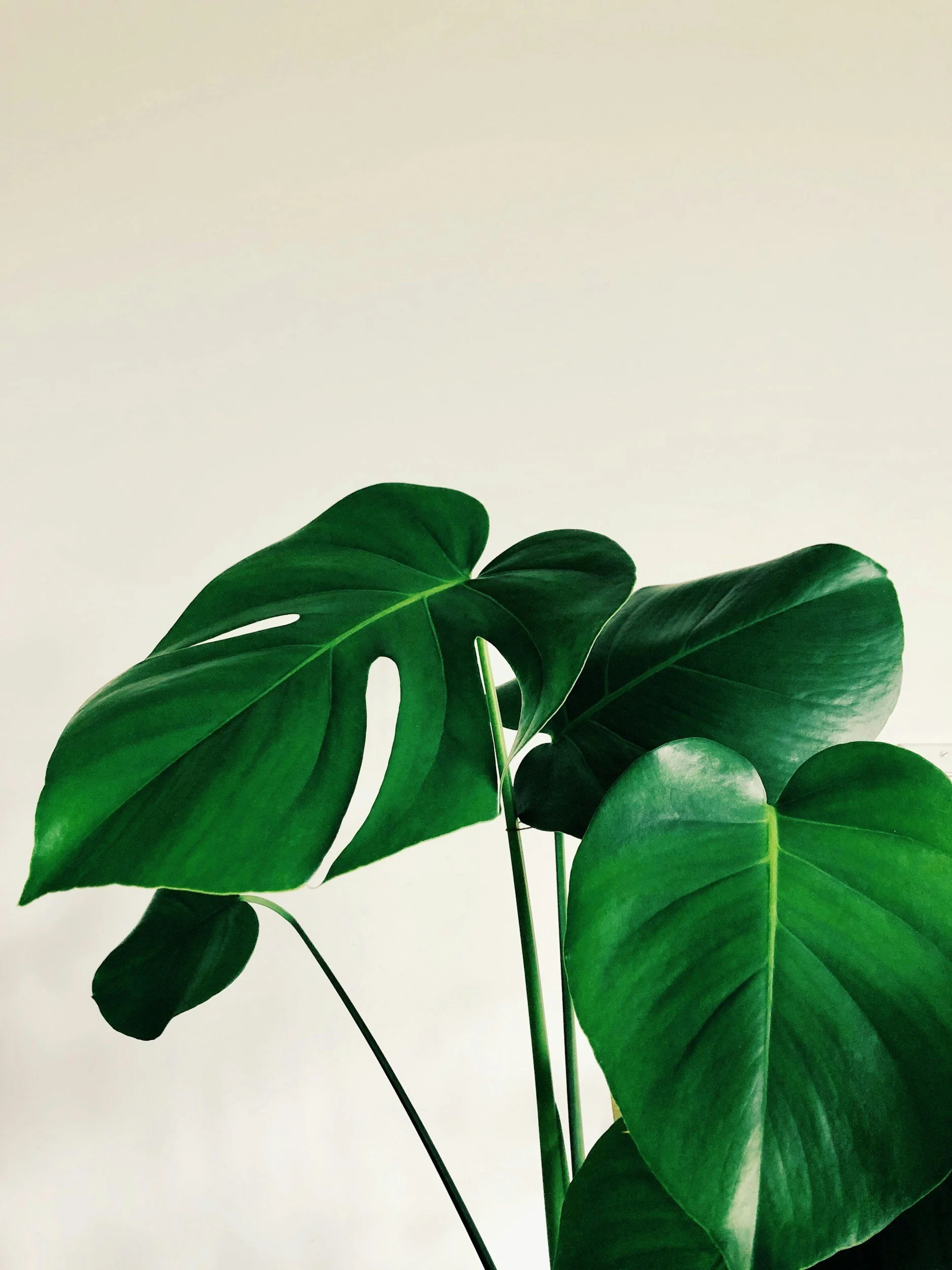
Maryland summers are hot and sticky, and while we're happy to retreat to a perfect 70 degrees inside, our houseplants are loving every minute outdoors. If they had a thermostat, they'd set it to "rainforest." Heat and humidity are exactly what their native habitats feel like, which is why a summer in a shady spot outside gives them such a boost.
But as the season changes, they'll need to come back in. With a little prep, you can make the move easy on them. Here's how to do it in four simple steps.
Step 1: Watch for Cool Nights
Most houseplants are tropical, so in places like Florida they can live outside all year. Here in Maryland, we get all four seasons.
Many tropical plants start to struggle once temperatures dip below 50 to 55°F, well before frost arrives. Cooler nights usually show up around early October, so when the evening forecast starts dropping into the 50s, it's time to plan the move indoors.
Step 2: Leave the Bugs Outside
Before anything comes inside, give each plant a quick wellness check. Bugs are everywhere outdoors, and your plants have been fair game all summer.
Inspect. Look under the leaves, along the stems, and on the soil for any hitchhikers.
Rinse. Give the plant a gentle spray with the hose to knock off pests.
Treat. Neem Oil works as both a treatment and a preventative, and Bonide Systemic Granules make your plant unappetizing to pests for weeks. We carry both in store! Apply neem in the shade or evening, and always follow the label directions.
Let it dry. Allow the soil to dry out a bit before bringing plants in, since soggy soil is an open invitation for fungus gnats.
Step 3: Ease Them Into Lower Light
Even the brightest room in your home gets far less light than the great outdoors, and a sudden change can shock your plants into dropping leaves. Help them adjust gradually:
Move them to a shadier spot closer to the house for a few days.
Bring them into the brightest room in your home for about a week.
Once they've settled in, move them to their regular indoor spot.
Step 4: Cut Back on Watering
With less heat and light indoors, your plants' growth naturally slows down for winter, so they'll need water less often.
Instead of sticking to your summer schedule, check the soil first. If the top inch is still damp, wait a few more days. You can also take a break from fertilizing until late winter or early spring, when your plants start gearing up for their return to the warm, humid outdoors next summer.
Ready for Winter
A little attention now means healthier, happier plants all winter long. Have questions about a specific plant, or need help picking the right pest treatment? Stop by Good Earth Garden Market and chat with our team. We're always happy to help!
-By Rachel J.